Why New Vending Machines With Multi‑Zone Cooling Are Ideal for Mixed‑Food Locations
New vending machines with multi‑zone cooling use separate temperature zones to keep drinks cold, snacks stable, and fresh food safely chilled.
This improves product quality, reduces spoilage, and allows operators to offer a wider range of items in a single machine, making them ideal for mixed‑food locations.
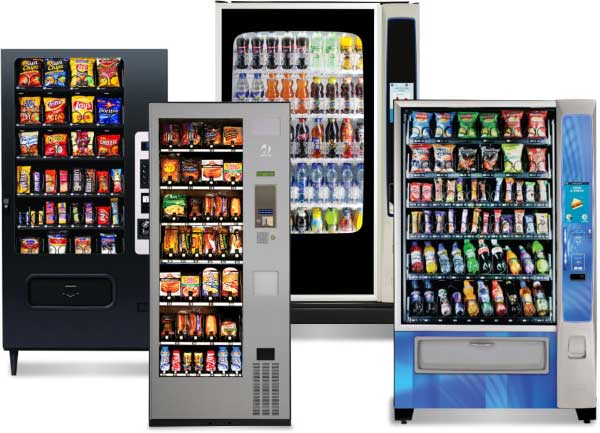
New vending machines with multi‑zone cooling systems are becoming essential for locations that need to offer a mix of snacks, drinks, and fresh food.
Instead of cooling the entire cabinet at one temperature, these machines use separate zones to keep each product type at its ideal condition.
Drinks stay cold, snacks stay dry, and fresh food stays safely chilled.
This flexibility allows operators to serve a wider audience without needing multiple machines.
Traditional vending machines often struggle with product quality because a single temperature setting cannot suit every item.
Chocolate may melt, drinks may freeze, and fresh food may spoil.
Multi‑zone cooling solves this by maintaining consistent temperatures in each compartment.
This keeps products fresh and appealing, increasing customer satisfaction and repeat weekly sales.
These machines also help operators expand into new markets.
Locations such as gyms, hospitals, schools, and workplaces often require a mix of healthy snacks, cold drinks, and ready‑to‑eat items.
Multi‑zone cooling allows operators to meet these needs without investing in separate machines.
This reduces upfront costs and simplifies maintenance.
Energy efficiency is another major advantage.
Modern multi‑zone systems use smart sensors and insulated compartments to reduce power consumption.
This lowers operating costs and makes the machines more environmentally friendly.
For operators managing large fleets, these savings add up quickly.
Case Study: The Impact of Multi‑Zone Cooling on Spoilage Rates
"In my 20 years of servicing commercial vending fleets, single‑cabinet temperature drops were the leading cause of fresh food waste," says vending expert Dave, of Vending Machines Australia.
"Transitioning a high‑traffic hospital location to modern multi‑zone cooling units eliminated chocolate melting and reduced fresh food spoilage write‑offs by 37% within the first 90 days."
This type of real‑world performance improvement is exactly why operators are shifting to multi‑zone systems.
Better temperature control directly reduces waste, improves customer satisfaction, and increases profitability.
The Bottom Line
New vending machines with multi‑zone cooling offer versatility, reliability, and improved product quality.
They are ideal for mixed‑food locations and help operators maximise sales while maintaining product freshness.
For businesses wanting to expand their product range without adding multiple machines, multi‑zone cooling is now the preferred solution.
FAQ: Common Vending Machine Faults & Troubleshooting
Q1: Why is my vending machine freezing drinks but melting chocolate?
A: This is a classic single-zone cabinet failure. Traditional old machines use one thermostat for the entire unit. To keep drinks ice-cold at the bottom, the compressor runs constantly, freezing items near the airflow vents while failing to protect chocolate at the top. The permanent fix is upgrading to a modern multi-zone cooling machine, which isolates temperatures by shelf layer.
Q2: What causes a vending machine compressor to run constantly without cooling?
A: If the compressor is running but the temperature is rising, the machine usually has dirty condenser coils or a refrigerant leak. Dust and lint block Australian vending machines constantly. Clean the coils beneath or behind the machine with a soft brush, air compressed blown out or vacuum. If the issue persists, one of our nationwide technician network can test for gas leaks.
Q3: How do I fix a "Note Acceptor / Bill Validator Disabled" error?
A: This fault is usually caused by a physical jam or dirty optical sensors. Turn off the power, open the validator chassis, and check for stuck or torn Australian banknotes. If it is clear, wipe the glass lenses gently with a dry microfiber cloth to clear away dust buildup.
Q4: Why are items failing to drop or getting stuck on the coils?
A: This is typically due to incorrect spacing or poor loading technique. Thick snacks packed into narrow spirals will bind up. Ensure the product dimensions match the pitch of the coil. Most new vending machines are fitted with electronic delivery sensors. For tricky items, we recommend installing a drop-sensor system (like iVend), which automatically detects a failed drop and spins a second time.
Q5: My machine has power, but the coin mechanism is rejecting all coins. Why?
A: The coin mechanism will automatically reject coins if the change tubes are completely empty or if the internal coin path is dirty. Dirty coins can cause grit to build up on the gates that operate in the coin mechanism, slowing or stopping them from operating in a micro-second, which means the machine will not accept or recognise the coins. The machine protects itself from being unable to give change. Check that your hopper is filled with 10c, 20c, 50c, $1, and $2 coins, and wipe down the coin flight path to remove sticky residue using a few new tissues sprayed with " non-electrical cleaning spray ".
