How New Vending Machines With AI Vision Improve Product Accuracy and Reduce Losses
New vending machines equipped with AI vision technology are transforming how vending machine owner operators manage stock, track sales, and reduce product losses.
These systems can use built‑in cameras and computer‑vision software to identify products as they are removed from the machine.
Most models rely on their cashless payment systems and remote monitoring telemetry, which, using a planogram, identify low stock levels and text or email machine replenishment alerts for near sold-outs, to keep machines always full and ready to make a sale on demand.
This eliminates the guesswork that older vending machines relied on and provides operators with accurate, real‑time data.
For high‑traffic locations, this level of precision helps reduce shrinkage and ensures customers always receive the correct item and machines always full of stock.
AI vision also improves accountability.
Traditional vending machines rely on mechanical spirals or drop sensors, which can misread a sale or fail to detect a product jam.
New vending machines with AI vision confirm every transaction visually, ensuring the machine records exactly what was taken.
This reduces disputes, improves customer trust, and lowers the number of refunds operators must process.
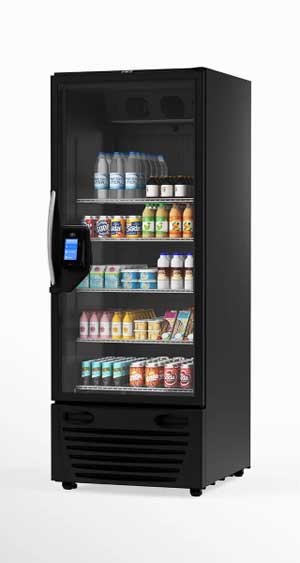
Some new vending machines..."Smart Fridges" use product weight and sense the change it wight and are programmed with each product's weight to sense the change in a selection's total weight.
This way, the machine knows the product and its price to charge, and also advises the telemetry system of a product change—a sale has been made—and adjusts the planogram for that machine.
How the Payment & Product Detection Works
* Pre-Authorisation: The customer taps a physical credit card, smartphone wallet, or a QR mobile code on the integrated reader. The system checks validity and temporarily locks a holding deposit.
* AI Visual Recognition: Internal wide-angle digital cameras combined with neural network algorithms instantly catalog exactly which stock items cross the door threshold.
* Weight Sensor / Gravity Matrix: Alternative models utilize precise physical load cells under each shelf tray, matching weight changes directly to corresponding SKU profiles. This is most used in Australia
* Automatic Billing: Once the door magnetic lock latches shut, relocking the machine again, the transaction processes in seconds, charging only for the removed inventory and updating the operator's cloud app
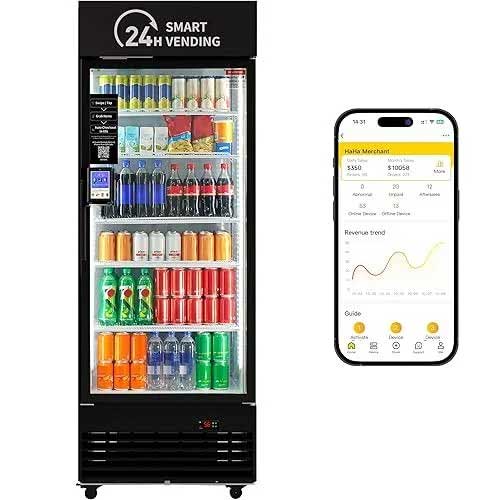
Another advantage is improved stock management.
AI vision systems track product movement and alert operators when items are running low.
This allows for more efficient restocking schedules and reduces the risk of empty shelves.
For operators managing multiple locations, this technology saves time and reduces unnecessary travel.
AI vision also supports a wider range of products.
Because the system recognises items visually, operators can stock irregularly shaped products, fresh food, or premium items that older machines cannot reliably dispense.
This flexibility opens new revenue opportunities and allows businesses to tailor their offerings to specific locations.
Overall, new vending machines with AI vision provide a smarter, more accurate, and more profitable way to operate.
They reduce losses, improve customer satisfaction, and give operators the data they need to run their business efficiently.
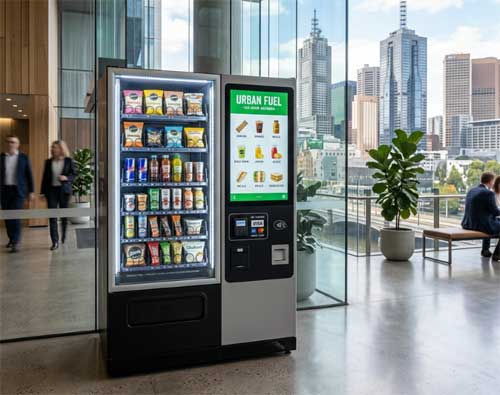
A modern AI‑powered vending machine with a glass door and internal camera system, showing mixed products and a touchscreen interface.
What makes new vending machines different from older models?
New vending machines use AI, cashless payment systems, remote monitoring, and improved product delivery systems such as lift mechanisms.
These upgrades reduce jams, improve reliability, and increase sales.
Do new vending machines support cashless payments?
Yes. Most new vending machines include tap‑and‑go, mobile wallet, QR code, and card payment systems, making them more convenient for customers and increasing revenue.
What types of products can new vending machines sell?
Modern machines can sell snacks, drinks, frozen meals, fresh food, protein items, and even micro‑market style products using AI smart fridge technology.
How much do new vending machines cost?
Traditional new combo machines typically cost $6,000–$9,000 AUD, while AI‑powered smart fridges range from $6,000–$15,000+ AUD depending on features.
Are new vending machines suitable for workplaces and schools?
Yes. They do offer healthier options, cashless payments, and 24/7 access, making them ideal for workplaces, schools, gyms, and high‑traffic public areas.