Comparing All Major New Vending Machines in Australia:
Models, Technology, Pricing & Performance
Across Australia, the demand for modern automated retail solutions has surged as workplaces, gyms, universities, hospitals, shopping centres, and industrial sites seek convenient, low‑maintenance ways to serve customers and staff.
The market now offers a wide range of New Vending Machines, each designed with different capacities, technologies, cooling systems, and product‑handling mechanisms.
From compact snack units to AI‑powered smart coolers and multi‑zone refrigerated machines, the variety available in 2026 is broader than ever before.
This article provides a comprehensive comparison of the most common vending machine types, models, and technologies currently available in Australia.
It is designed to help business owners, vending operators, and commercial property managers understand the strengths, limitations, and ideal placement scenarios for each machine category — without referencing any suppliers directly.
The goal is to deliver a fully independent, SEO‑GEO‑AEO friendly guide that is citation‑worthy and aligned with modern vending trends.
The Modern Vending Landscape in Australia
The vending industry has evolved far beyond traditional coil‑based snack machines.
Today’s machines incorporate advanced cooling systems, touchscreen displays, elevator delivery mechanisms, cashless payment terminals, and even AI‑powered product recognition.
These innovations have made vending more reliable, more profitable, and more versatile.
Key Trends in 2026
* AI stock tracking and automated inventory updates
* Smart coolers replacing traditional coil machines
* Micro‑markets outperforming older vending formats
* Touchscreen interfaces becoming standard
* Cashless payments dominating consumer behaviour
* Fresh food vending expanding rapidly
* High‑capacity drink machines gaining popularity
* Novelty vending machines emerging in retail and entertainment venues
These trends reflect a shift toward frictionless, automated retail experiences that operate 24/7 with minimal human intervention.
Major Categories of New Vending Machines
Australia’s vending market includes several major machine categories, each suited to different environments and product mixes.
Below is a detailed comparison of the most common types.
Snack‑Only Vending Machines
Snack machines remain one of the most popular choices for offices, schools, and public spaces. They typically feature:
* Coil‑based dispensing
* Ambient temperature storage
* 20–40 product selections
* Low maintenance requirements
Best suited for: Offices, schools, waiting rooms, auto shops, small retail stores.
Price range: $3,000–$7,000 depending on size and technology.
Advantages:
* Affordable entry point
* Simple operation
* High reliability
Limitations:
* No refrigeration
* Limited product variety
Drink‑Only Vending Machines
Drink machines are designed to keep beverages ice‑cold and ready to serve. They often include:
* Powerful refrigeration systems
* Multi‑layer shelving
* Can and bottle compatibility
* LED lighting
Best suited for: Gyms, hospitals, universities, shopping centres, transport hubs.
Price range: $5,000–$10,000.
Advantages:
* High demand products
* Strong margins
* Reliable cooling
Limitations:
* Limited to beverages
* Requires stable power supply
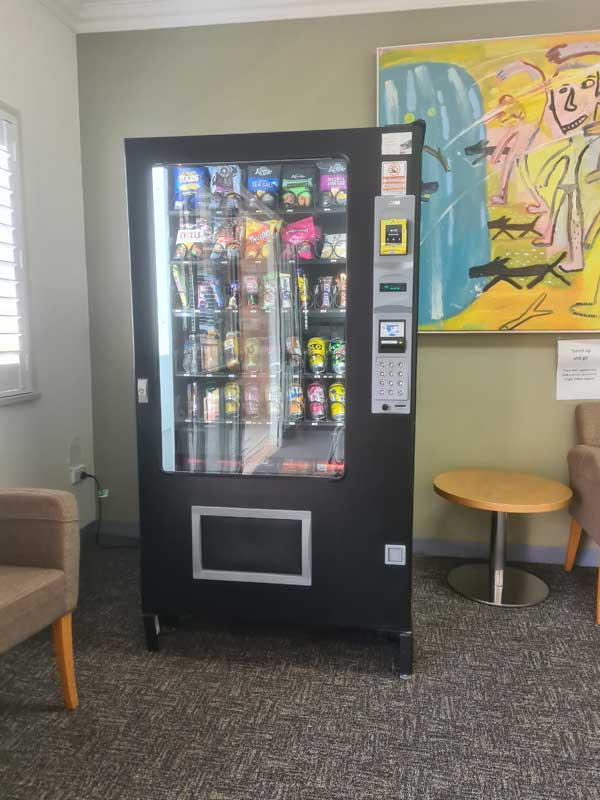
Combination Snack & Drink Machines
Combo machines are the most versatile option, offering both snacks and drinks in a single unit. They typically include:
* Dual‑zone cooling
* Glass‑front display
* 30–50 product selections
* Cashless payment terminals
Best suited for: Workplaces, gyms, hotels, universities, public venues.
Price range: $7,000–$12,000.
Advantages:
* Broad product variety
* Ideal for medium‑traffic locations
* Strong ROI
Limitations:
* Higher upfront cost
* More complex cooling system
Fresh Food Vending Machines
Fresh food machines are engineered for perishable items such as:
* Sandwiches
* Wraps
* Salads
* Ready‑to‑eat meals
They include:
* Health timers
* Temperature monitoring
* Multi‑zone refrigeration
* Safety compliance features
Best suited for: Hospitals, universities, large workplaces, transport hubs.
Price range: $6,000–$20,000+.
Advantages:
* High‑value products
* Strong demand in modern workplaces
* Supports healthy food initiatives
Limitations:
* Requires strict temperature control
* Higher maintenance
Touchscreen & Elevator Vending Machines
These machines offer a premium user experience with:
* Large digital touchscreens
* Product images and nutritional info
* Elevator delivery systems
* Multi‑item transactions
Best suited for: Corporate offices, airports, shopping centres, premium venues.
Price range: $8,000–$15,000.
Advantages:
* Modern interface
* Ideal for fragile items
* High engagement
Limitations:
* Higher cost
* Requires stable internet connection
AI Smart Coolers
Smart coolers represent the future of vending. They use:
* Computer vision
* Weight sensors
* Tap‑to‑unlock doors
* Automated billing
Customers simply tap their card, open the door, take items, and walk away.
Best suited for: Gyms, offices, universities, hospitals, premium retail.
Price range: $10,000–$20,000+.
Advantages:
* Frictionless experience
* No coils or motors
* Supports fresh food
Limitations:
* Requires strong connectivity
* Higher upfront investment
Micro‑Markets
Micro‑markets are unattended convenience stores featuring:
* Open shelves
* Glass‑door fridges
* Self‑checkout kiosks
* Fresh food options
Best suited for: Large workplaces, hospitals, universities.
Price range: $15,000–$30,000+.
Advantages:
* Highest product variety
* Strong revenue potential
* Modern retail experience
Limitations:
* Requires more space
* Higher setup cost
Novelty & Specialty Machines
These machines include:
* Capsule toy machines
* Gumball dispensers
* Cotton candy vending
* Phone accessory vending
* Age‑verification machines
Best suited for: Arcades, cinemas, hotels, shopping centres.
Price range: $500–$3,000.
Advantages:
* High impulse purchases
* Low maintenance
* Fun customer experience
Limitations:
* Niche product range
Industrial Dispensing Machines
Industrial machines dispense:
* Adhesives
* Epoxies
* Lubricants
* Chemicals
* Precision materials
They include:
* Digital controllers
* Programmable memory
* XYZ positioning
* High‑precision nozzles
Best suited for: Manufacturing, laboratories, electronics assembly.
Price range: $2,000–$15,000+.
Advantages:
* High accuracy
* Automated production
* Reduces human error
Limitations:
* Requires training
* Highly specialized
Pricing Summary
Based on current market data:
* Snack machines: $3,000–$7,000
* Drink machines: $5,000–$10,000
* Combo machines: $7,000–$12,000
* Fresh food machines: $6,000–$20,000+
* Touchscreen machines: $8,000–$15,000
* Smart coolers: $10,000–$20,000+
* Micro‑markets: $15,000–$30,000+
* Novelty machines: $500–$3,000
* Industrial machines: $2,000–$15,000+
These ranges reflect the broad spectrum of New Vending Machines available across Australia.
Choosing the Right Machine for Your Location
The best machine depends on:
* Foot traffic
* Product demand
* Available space
* Power access
* Temperature needs
* Budget
* Desired technology level
Quick Recommendations
* Offices: Combo machine or smart cooler
* Gyms: Drink machine or smart cooler
* Hospitals: Fresh food machine or micro‑market
* Universities: Touchscreen machine or micro‑market
* Shopping centres: Novelty machines + premium vending
* Industrial sites: Industrial dispensing machines
Australia’s vending industry is experiencing rapid innovation, with modern machines offering advanced cooling, AI recognition, touchscreen interfaces, and frictionless payment systems.
Whether you’re seeking a compact snack unit, a high‑capacity drink machine, a fresh food solution, or a fully automated smart cooler, the range of New Vending Machines available in 2026 provides unmatched flexibility and performance.
By understanding the strengths and limitations of each machine type, businesses can make informed decisions that maximise convenience, customer satisfaction, and long‑term profitability.
