Used Vending Machines
Pros, Cons & Cost Comparison for Australian Businesses
Used vending machines: smart investment or hidden headache?
For a lot of Australian businesses, a vending machine looks like the perfect low‑maintenance side earner—24/7 sales, no staff, and a steady trickle of cash or card payments.
But when it comes to used vending machines, the big question is simple:
Are they actually a smart investment, or are you just buying someone else’s problem?
In this guide, we’ll break down:
* The real pros and cons of used vending machines
* Cost comparisons: used vs new vs free‑supplied
* ROI and payback periods in Australian conditions
* Why a used machine can last 20 years if serviced correctly
* And why even brand‑new factory machines can still turn out to be a lemon
This is written specifically for Australian workplaces—offices, warehouses, gyms, schools, hospitals, industrial sites, transport depots and regional businesses.
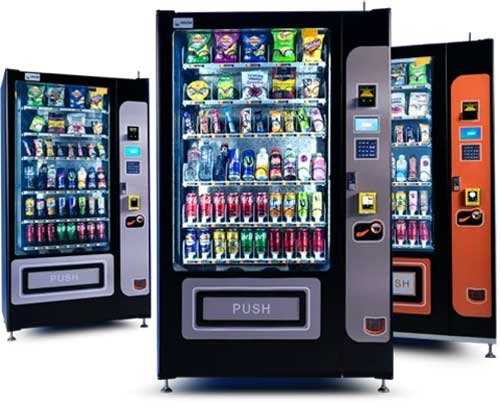
Why Australian businesses look at used vending machines
New vending machines in Australia aren’t cheap.
A modern snack or drink machine with cashless payments can easily cost $5,000–$11,500+, depending on features, branding and payment systems.
A used or refurbished machine, on the other hand, might cost:
* $2,000–$4,000 for a decent quality used machine
* Sometimes less if it’s older, unbranded, or needs cosmetic work
For many businesses, that price gap is the difference between:
* “We’ll think about it one day”
and
* “We can do this right now.”
Used machines are especially attractive for:
* Small businesses wanting a low‑risk start
* Regional sites where foot traffic is steady but not huge
* Industrial workplaces where staff need access to drinks, snacks or PPE 24/7
* Multi‑site operators who want to test locations before rolling out new machines
Pros of buying a used vending machine
1. Lower upfront cost
This is the big one.
If a new machine is $8,000 and a used one is $3,000, you’ve just saved $5,000 on day one. That’s money you can put into:
* Stock
* Cashless payment upgrades
* Branding
* Or a second machine
For a lot of Australian businesses, that lower entry cost is what makes vending possible in the first place.
2. Faster ROI (return on investment)
Because your upfront cost is lower, your payback period is usually shorter.
Let’s run a simple example:
* Used machine cost: $3,000
* Average weekly profit (after stock costs): $150
That’s about 5 months to recover your investment.
Now compare that to a new machine:
* New machine cost: $8,000
* Same weekly profit: $150
That’s around 12–13 months to break even.
Same location. Same customers. Same products. The only difference is what you paid for the machine.
3. Proven workhorse models
Some of the best vending machines in Australia are older, proven models that have been in the field for years. They’re:
* Simple
* Reliable
* Easy to repair
* Well‑understood by technicians
A good used machine that’s been properly refurbished can be more reliable than a brand‑new, untested model with fancy electronics.
4. Less stress about minor damage
With a brand‑new $11,000 machine, every scratch hurts.
With a used machine, you’re often more relaxed about:
* Minor cosmetic wear
* Small dents
* Older styling
As long as it’s clean, presentable, and works perfectly, most staff and customers don’t care if it’s not the latest showroom model.
5. Ideal for “test” locations
If you’re not sure how a location will perform—like a new warehouse, a small gym, or a regional site—a used machine is perfect for testing.
If the site underperforms, you haven’t tied up $10k in hardware. If it performs well, you can always upgrade later.
Cons and risks of used vending machines
Used machines aren’t magic.
There are real risks—and ignoring them is how you end up with a money pit instead of a money maker.
1. Unknown history
Unless you’re buying from a reputable supplier, you often don’t know:
* How hard the machine has been worked
* How many breakdowns it’s had
* Whether it’s been regularly serviced
* If it’s been sitting in a shed for years
A machine that’s been in a hot, dusty factory for 10 years is very different to one that’s been in a clean office.
2. Higher chance of breakdowns
Older machines can be more prone to:
* Coin mech issues
* Note reader faults
* Refrigeration problems
* Wiring and board failures
A single major repair—like a compressor replacement—can cost $800–$1,500 in Australia.
If you bought a cheap machine without checking it properly, that one repair can wipe out months of profit.
3. Energy efficiency
Newer machines are often more energy efficient, especially with LED lighting and modern refrigeration.
A very old machine might:
* Use more power
* Run hotter
* Be noisier
* Cost more to operate over 5–10 years
That doesn’t mean used is bad—it just means you need to factor running costs into your decision.
4. Limited parts availability
Some older models are no longer supported by the manufacturer.
If key parts are:
* Hard to find
* Only available second‑hand
* Or no longer made
You’re taking on more risk. A machine is only an asset if it can be kept running.
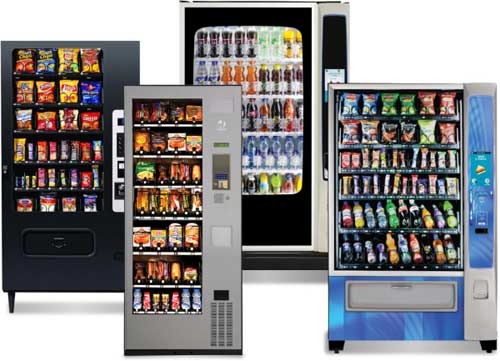
Used vs new vs “free” vending machines: cost comparison
Most Australian businesses actually have three options:
1. Buy a used machine
2. Buy a new machine
3. Get a free supplied and serviced machine (no purchase cost)
Let’s compare them.
Option 1: Used vending machine (you own it)
* Upfront cost: $2,000–$4,000
* You own the machine
* You keep all profits
* You handle stock, servicing and repairs
* Higher risk, higher control, higher upside
Best for:
* Operators building a vending business
* Businesses comfortable managing stock and maintenance
* Locations with solid, predictable foot traffic
Option 2: New vending machine (you own it)
* Upfront cost: $5,000–$11,500+
* New warranty
* More energy efficient
* Latest payment systems
* Longer expected lifespan
Best for:
* Professional vending operators
* High‑performing locations
* Businesses wanting a long‑term asset
Option 3: Free supplied and serviced machine
* Upfront cost: $0
* Machine is supplied, installed and serviced by a vending company
* They stock it, maintain it, and handle breakdowns
* You may receive a commission or just the staff benefit
Best for:
* Workplaces that want convenience, not ownership
* Sites that don’t want to deal with stock or repairs
* Businesses that care more about staff amenity than vending profit
ROI: how long can a used vending machine last?
Here’s the part most people underestimate:
A good vending machine can last 15–20 years or more if serviced correctly.
The metal cabinet, spirals, shelves and basic structure are incredibly durable. What usually fails over time are:
* Refrigeration components
* Payment systems
* Control boards
The good news? These parts are replaceable.
If you buy a solid used machine and:
* Keep it clean
* Service it regularly
* Replace worn parts before they fail
You can easily get another 5–10+ years of life out of it.
Over that time, even a modest machine can generate:
* $150–$400 per week in revenue in a decent location
* With 40–60% profit margins after stock costs
That’s serious ROI from a machine you might have bought for $3,000.
The ugly truth: even brand‑new machines can be lemons
Here’s something most factory reps won’t tell you:
A brand‑new vending machine can still be a lemon.
Just because it’s new doesn’t mean:
* It was assembled perfectly
* Every component is flawless
* The wiring is immaculate
* The refrigeration system is bulletproof
Like cars, there are:
* “Friday afternoon” machines
* Units rushed through production
* Machines with small faults that become big problems later
You can spend $10,000+ on a brand‑new machine and still end up with:
* Constant breakdowns
* Warranty callouts
* Lost sales
* Frustrated staff
Meanwhile, a well‑refurbished used machine from a reputable supplier can quietly run for years with minimal issues.
The real difference isn’t always new vs used. It’s good machine vs bad machine—and good supplier vs bad supplier.
Key questions to ask before buying a used vending machine
To avoid buying a lemon, ask these questions:
1. Where did this machine come from?
* Office, warehouse, school, hospital, shopping centre?
* Clean environment or harsh environment?
2. Has it been refurbished?
* Or just “wiped down and flipped”?
* Ask what was actually done.
3. What parts have been replaced?
* Compressor?
* Coin mech?
* Note reader?
* Control board?
4. Is there any warranty?
* 3 months? 6 months? 12 months?
* What does it cover?
5. Are parts still available in Australia?
* Can local technicians service this model?
* Are spare parts easy to source?
6. Does it support cashless payments?
* Tap‑and‑go is critical in 2026 and beyond.
* If not, can it be upgraded?
When a used vending machine makes the most sense
Used vending machines are often the best choice when:
* You want fast ROI and low upfront risk
* You’re testing new locations
* You’re building a small vending route
* You’re in a regional or industrial area where appearance matters less than function
* You’re comfortable organising basic servicing and repairs
If you buy smart, a used machine can:
* Pay itself off in months, not years
* Keep earning for 5–10+ years
* Deliver a better return than many other small business investments
When you should avoid used and go new or “free”
You might be better off with a new or free‑supplied machine if:
* You have zero interest in dealing with repairs
* The location is high‑profile and image is everything
* You want the latest tech, screens, branding and payment systems
* You’re a large organisation with strict compliance and warranty requirements
* You simply want a no‑hassle staff amenity and don’t care about owning the asset
In those cases:
* A new machine gives you warranty and modern features
* A free‑supplied machine gives you convenience with no capital outlay
Final verdict: are used vending machines worth it for Australian businesses?
If you choose carefully, buy from the right supplier, and understand the risks, a used vending machine can be one of the best value assets you’ll ever put on your sites.
You get:
* Lower upfront cost
* Faster ROI
* A machine that can last up to 20 years with proper servicing
* The flexibility to test locations without tying up huge capital
But you must:
* Avoid cheap “shed finds” with no history
* Ask the right questions
* Factor in repairs and running costs
* Accept that even new machines can be lemons—so the supplier relationship matters as much as the machine itself
For many Australian workplaces—especially warehouses, industrial sites, regional towns and 24/7 operations—a good used vending machine is not a compromise.
It’s a smart, strategic decision.
Used Vending Machines For Sale
