Used Vending Machines
Information for Business Owners
The vending machine decision that affects your bottom line.
For Australian business owners, vending machines are more than a convenience — they’re a low‑maintenance revenue stream. Whether you’re running a warehouse, gym, school, office, or retail space, a vending machine can generate steady income while providing staff and customers with 24/7 access to drinks, snacks, PPE, or specialty items.
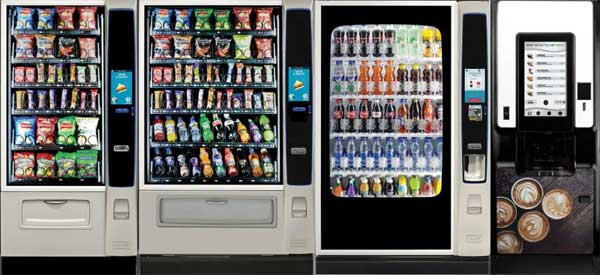
But when it comes to choosing a machine, one question always comes up:
Should you buy a used vending machine? 15 Reasons.
Used machines can save thousands upfront, but they also come with risks. This guide breaks down everything business owners need to know — costs, ROI, lifespan, servicing, comparisons, and how to avoid buying a lemon.
1. Why used vending machines are so popular in Australia
Used vending machines have become a go‑to option for:
* Small businesses
* Start‑up vending operators
* Regional workplaces
* Industrial sites
* Multi‑site businesses testing new locations
The reason is simple:
Used machines cost 40–60% less than new ones.
A new machine can cost $6,000–$11,500+, while a used machine typically costs $2,000–$4,000.
That price difference alone can determine whether a business enters the vending space or not.
2. Cost comparison: used vs new vs free‑supplied machines
Here’s a clear breakdown of the three main options available to Australian businesses.
Used vending machines (you own it)
* Cost: $2,000–$4,000
* You keep 100% of profits
* You handle stock + servicing
* Fast ROI
* Ideal for operators or businesses wanting control
New vending machines (you own it)
* Cost: $6,000–$11,500+
* Warranty included
* Latest tech + energy efficiency
* Higher upfront risk
* Slower ROI
Free‑supplied vending machines
* Cost: $0
* Supplier owns the machine
* Supplier stocks + services it
* You may receive a small commission
* Best for businesses wanting convenience, not profit
3. ROI: how quickly can a used vending machine pay itself off?
Let’s run a realistic Australian example.
Machine cost: $3,000 (used combo machine)
Weekly revenue: $450
Stock cost (COGS): 50% = $225
Weekly profit: $225
Payback period:
That’s just over 3 months to recover the full cost of the machine.
Annual profit after payback:
A used machine can realistically generate $10,000–$12,000 profit per year in a strong location.
4. Lifespan: how long do used vending machines last?
Here’s the part most business owners don’t realise:
A good vending machine can last 15–20 years with proper servicing.
The cabinet, shelves, spirals, and structure are built like tanks. The only parts that wear out are:
* Refrigeration components
* Coin mechs
* Note readers
* Control boards
* Cashless systems
All of these are replaceable.
A used machine that’s been refurbished properly can easily deliver another 5–10 years of reliable service.
5. The truth: even brand‑new machines can be lemons
This is something industry insiders know well:
A brand‑new vending machine can still be a dud.
Manufacturing isn’t perfect. Sometimes machines are rushed through assembly — wiring errors, faulty sensors, poor calibration, or cheap components.
These “Friday afternoon machines” can cause:
* Constant breakdowns
* Warranty callouts
* Lost sales
* Angry staff
* Downtime
* Technician fees (if not covered)
Meanwhile, a refurbished used machine that’s been tested and proven in the field often runs smoother.
6. Pros of buying a used vending machine
1. Lower upfront cost
You save thousands immediately.
2. Faster ROI
Used machines pay themselves off in months, not years.
3. Proven reliability
Older models are often more stable and easier to repair.
4. Lower risk
If a location underperforms, you haven’t sunk $10k into a machine.
5. Easy to scale
With $10,000 you can buy:
* 1 new machine, or
* 3 used machines
Three machines = three income streams.
7. Cons of buying a used vending machine
1. Unknown history
Unless you buy from a reputable supplier, you don’t know how it was treated.
2. Potential for higher repairs
Older machines may need more maintenance.
3. Energy efficiency
Some older models use more power.
4. Cosmetic wear
Scratches and dents are common — though they don’t affect performance.
5. Limited warranty
Used machines typically come with 3–12 months warranty, not 2–3 years.
8. Energy usage: how much does a used machine cost to run?
Typical power usage:
* Older drink machine: 6–8 kWh/day
* Newer drink machine: 4–6 kWh/day
At $0.30/kWh, that’s:
* Older: $2.40/day
* Newer: $1.80/day
Difference: $0.60/day Annual difference: $219
That’s not enough to outweigh the thousands saved upfront.
9. Free vending machines: when they make sense
Free machines are ideal for:
* Offices
* Schools
* Hospitals
* Government buildings
* Workplaces wanting convenience, not profit
Pros
* No cost
* No maintenance
* No stock management
* No repairs
* No insurances
Cons
* No ownership
* No control
* No profit (or very small commission)
* Supplier can remove the machine anytime
If your goal is staff amenity, free machines are perfect. If your goal is profit, used machines win every time.
10. What to look for when buying a used vending machine
Here’s your checklist:
✔ Ask for service history
A reputable supplier will show you what’s been replaced.
✔ Check the refrigeration
The compressor is the most expensive component.
✔ Inspect payment systems
Coin mech, note reader, and cashless reader must be tested.
✔ Look for rust or water damage
Especially around the base.
✔ Test every selection
Every spiral should turn smoothly.
✔ Ask about spare parts availability
Some older models are harder to service.
✔ Check the warranty
3–12 months is standard for refurbished units.
11. Cashless payments: essential in 2026
Tap‑and‑go is now the dominant payment method in Australia.
Benefits of cashless upgrades:
* 70–90% of sales are cashless
* Higher average spend
* Fewer jams
* Remote monitoring
* Sales reporting
* Stock alerts
Upgrade cost:
$350–$700
Sales increase:
20–40%
Cashless is no longer optional — it’s essential.
12. Total cost of ownership (TCO) over 5 years
Cost Component Used Machine New Machine Free Machine
Purchase $3,000 $8,000 $0
Repairs $800 $400 $0
Maintenance $500 $500 $0
Electricity $1,200 $900 $0
Total 5‑Year Cost $5,500 $9,800 $0
Ownership Yes Yes No
Profit Retained 100% 100% 0–20%
Used machines deliver the best ROI by far.
13. When used machines are the best choice
Used machines are ideal for:
* Start‑up vending operators
* Small businesses
* Regional workplaces
* Industrial sites
* Gyms
* Schools
* Multi‑site businesses testing new locations
If you want profit + control + low risk, used machines are the sweet spot.
14. When new machines are worth the investment
New machines make sense when:
* You need a premium look
* You want the latest tech
* You require full warranty
* You’re placing machines in high‑profile locations
* You want long‑term stability
Corporate offices and shopping centres often prefer new machines.
15. Final verdict: what business owners really need to know
Used vending machines offer the best balance of:
* Cost
* ROI
* Scalability
* Flexibility
* Profitability
They’re not perfect — but when purchased from a reputable supplier and serviced correctly, they can deliver years of reliable income at a fraction of the cost of new machines.
For most Australian businesses, used vending machines are the smartest, lowest‑risk, highest‑return option available.
