Second‑Hand Vending Machines
9 Common Pitfalls When Buying Used Machines
(What New Operators MUST Know)
Buying a second‑hand vending machine can be a smart move — if you know what you’re looking at.
But for many new operators, the excitement of finding a “bargain” quickly turns into frustration, unexpected repair bills, and weeks of downtime.
A vending machine isn’t just a metal box with snacks inside.
It’s a complex network of sensors, motors, wiring harnesses, payment systems, control boards, cooling systems, and software — all of which must communicate perfectly for the machine to function as designed.
When even one component fails, the entire machine can stop vending, reject payments, freeze up, or shut down completely.
This is why buying a 2nd hand used vending machine privately — without knowing its history — can be a gamble.
Below is the real truth about second‑hand vending machines, the common pitfalls, and how to avoid buying a lemon.
1. Vending Machines Are Complex — One Fault Can Break Everything
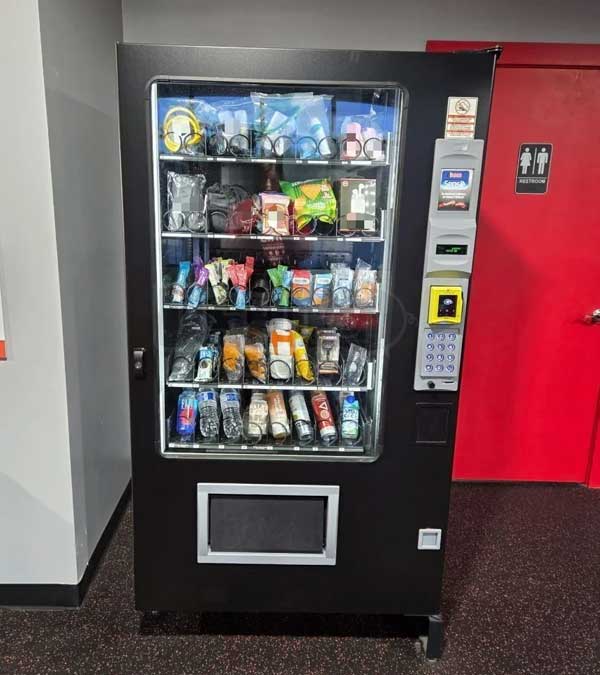
A modern vending machine contains:
* Temperature sensors
* Thermostat
* Drop sensors / delivery bin sensors
* Telemetry module
* Cashless payment system
* Coin acceptor
* Note reader (bill validator)
* Change‑giver ( coin mechanism )
* Control board (the “brain”)
* Wiring harnesses
* Vending motors
* Circulation fans
* Compressor & condenser fan
* Lighting system
* Door switches to door locks
* Software logic
All of these components are interconnected.
If one part fails to communicate with another — the machine:
* Won’t cool
* Won’t vend
* Won’t take payments
* Will jam
* Will error out
* Will shut down entirely
This is why a machine that “looks fine” can still be a hidden mechanical nightmare.
2. The Biggest Pitfall: Buying a “Bargain” Lemon
Many new operators see a cheap machine online and think:
“Wow, this is a great deal!”
But you must ask yourself:
Why is someone selling a $5,000–$10,000 asset for $800–$1,500?
Usually because:
* It has faults
* It needs expensive repairs
* It has cooling issues
* The payment system is outdated
* The control board is failing
* It’s been sitting in storage too long
* It’s been stripped partically for parts
* It’s not MDB‑compatible
* It’s not cashless‑ready nor can it be set-up for cashless payments
* It’s not compliant for modern sites
We’ve seen countless operators buy a “bargain” machine only to discover:
They must spend $1,000–$3,000 in repairs before it can even go on site.
By the time they fix it, they could have bought a fully refurbished machine from a reputable seller — with warranty — for the same price or even less.
3. Payment Systems: The Hidden Cost Most Buyers Forget
Older vending machines often only accept:
* Coins
* Basic $5/$10 notes
Modern sites expect:
* Tap‑to‑pay
* Apple Pay
* Google Pay
* Credit/debit
* Remote monitoring
Upgrading an old machine to cashless typically costs:
$600–$1,600 (Depending on the reader + telemetry)
But with VMA:
Brand‑new U200 Cashless Reader = $440 (And we can arrange fitting)
If you buy a machine privately, you may also need:
* New coin mech
* New note reader
* New harness
* New control board
* New firmware
Suddenly your “cheap” machine is a money pit.
4. Condition, Repairs & Hidden Problems
Cheap used machines are usually sold as‑is... where-is.
That means:
* No warranty
* No testing
* No refurbishment
* No replacement parts
* No guarantee it even works
Common hidden issues include:
* Faulty compressors
* Cooling leaks
* Burnt motors
* Broken spirals
* Faulty drop sensors
* Damaged wiring
* Control board faults
* Stuck coin mechs
* Note readers rejecting bills
* Software errors
* Door seals leaking cold air
These issues can cost hundreds — sometimes thousands — to fix.
5. Why Buying From a Specialist Is Safer
A reputable second‑hand vending machine specialist:
* Tests every component
* Replaces faulty parts
* Installs new or refurbished payment systems
* Ensures MDB compatibility
* Updates firmware and checks that software is functioning correctly to factory specifications
* Cleans and sanitises the machine
* Checks cooling performance
* Replaces fans, motors, seals, and wiring
* Ensures the machine is site‑ready
* Provides advice on the right model for your needs
We partner with a Sydney‑based specialist who:
* Has a showroom
* Lets you inspect machines
* Helps set pricing
* Provides operator‑level advice
* Ensures machines are ready to earn from day one
Yes, you may pay a little more upfront —but you avoid buying someone else’s problem.
6. Additional Costs New Buyers Forget
If you buy a machine outright, remember:
Transport:
$150–$350 depending on distance & stairs (add another $300 for stair climbing with a machine)
Stock inventory:
$300–$600 to fill a machine
Site location:
You must secure a location yourself
Maintenance planning:
Even good machines need upkeep
7. Typical Monthly Maintenance Costs (Realistic)
Even a good machine has small ongoing costs:
* Filter cleaning: $20–$50/month
* Cleaning & sanitising: $50–$100/month
* Minor part replacements: $50–$100/month
* Labour/call‑out fees: $50–$100/hour
* Average repair call‑out: $120–$150
A poorly maintained machine will cost far more.
8. The Good News: Used Machines Can Still Be a Great Investment
It’s not all doom and gloom.
A quality second‑hand vending machine can:
* Pay for itself in 9–12 months
* Generate consistent passive income
* Be upgraded to cashless
* Last for years with proper care
* Be perfect for new operators on a budget
The key is buying from someone who:
* Knows vending
* Tests machines properly
* Replaces faulty parts
* Provides advice
* Makes the machine site‑ready
That’s exactly what Vending Machines Australia helps you with.
9. Ready to Buy a Second‑Hand Vending Machine?
Whether you’re:
* A first‑time operator
* Expanding your route
* Replacing old machines
* Looking for a budget‑friendly option
We can help you choose the right machine — and avoid the expensive mistakes many new operators make.
We offer:
* Quality second‑hand machines
* Expert advice
* Cashless upgrades
* Transport assistance
* Site‑ready machines
* Industry knowledge from real operators
Final Word: Don’t Buy a Lemon — Buy Smart
A vending machine is a business asset. Treat it like one.
Buying privately is risky. Buying from a specialist is safer, smarter, and often cheaper in the long run.
If you want help choosing the right second‑hand vending machine, reach out anytime — we’ll point you in the right direction.
