Dispensing Machines for Sale in Australia
2026 Buyer’s Guide for Businesses and Operators
Dispensing machines for sale in Australia have come a long way from the old, coin‑only snack boxes that used to sit in dusty corners of workplaces.
Today’s machines are smarter, more reliable, fully cashless, and built to suit modern staff expectations and business needs.
Whether you’re a new vending operator, a business owner, or a facility manager, choosing the right dispensing machine can be the difference between a profitable asset and a constant headache.
This guide walks you through the key things you need to know before buying a dispensing machine in Australia: machine types, pricing, features, depreciation, common traps, and how to choose a supplier you can rely on long term.
What is a dispensing machine?
A dispensing machine is an automated unit that sells or dispenses products without needing staff to be present.
In the Australian market, “dispensing machines for sale” usually refers to vending machines and related automated retail systems, including:
Snack vending machines
Drink vending machines
Combination (snack + drink) machines
Fresh food and frozen meal dispensers
PPE and industrial supply dispensers
Coffee vending machines
Smart, AI‑powered fridges and micro‑market units
Cigarette vending machines
Toiletries vending machines
People searching for dispensing machines for sale are typically ready to act.
They’re not just browsing; they’re comparing options, prices, and suppliers, and they want clear, honest information before they spend thousands of dollars.
Types of dispensing machines for sale in Australia
Different locations and business models call for different machine types. Choosing the right one upfront saves you money and avoids poor performance later.
Snack dispensing machines
These machines are designed to vend chips, chocolates, biscuits, nuts, and healthier snack options.
They’re ideal for offices, schools, gyms, and staff rooms where people want quick, convenient food between meals.
Drink dispensing machines
Drink machines are built to handle cans and bottles, with strong cooling systems to keep beverages cold.
They’re common in warehouses, gyms, retail centres, and transport hubs where cold drinks are in high demand.
Combination (combo) dispensing machines
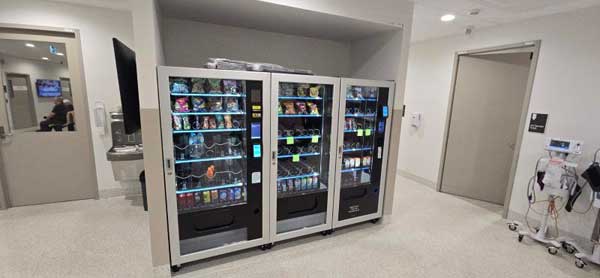
Combination machines are the most popular choice in Australia because they offer both snacks and drinks in a single cabinet.
This saves floor space, reduces installation costs, and increases average spend per user by offering more choice in one place.
Fresh food and frozen meal dispensers
These machines use lift systems and multi‑zone cooling to safely vend items like sandwiches, wraps, salads, and frozen meals.
They’re suited to hospitals, large offices, and sites where staff work long shifts and need more substantial food options.
PPE and specialty product dispensers
In industrial, mining, and healthcare environments, dispensing machines are used for gloves, masks, tools, and safety equipment.
These machines help control stock, reduce waste, and ensure critical items are always available.
Using QR code to access products, monitored remotely time ,date, saftey product given.
Smart AI‑powered machines and micro‑markets
These systems use cameras, weight sensors, and app‑based payments to create a “grab‑and‑go” experience.
They’re ideal for premium offices and high‑traffic sites where a more advanced retail experience is justified.
How much do dispensing machines cost?
Prices for dispensing machines for sale in Australia vary widely depending on brand, size, and technology level. As a general guide:
Standard china snack or drink machines: around $3,000 – $10,000
Combination vending machines: around $7,000 – $12,000
Premium cashless + telemetry machines: around $12,000 – $18,000
Credit card readers + Telemetry + AI enhanced backend monitoring systems $440 - $700
AI smart fridges and vision systems: from $15,000 up to $25,000+
Certified used machines: roughly $1,000 – $6,000
Cheaper machines are not always better value.
A low upfront price can quickly be wiped out by breakdowns, poor cooling, unreliable payment systems, and the inability to source spare parts locally.
Key features to look for when comparing dispensing machines
When you’re comparing dispensing machines for sale, focus on features that affect reliability, user experience, and long‑term running costs.
Cashless payments
Modern machines should support tap‑and‑go, Apple Pay, Google Pay, and standard debit/credit cards.
Cashless systems increase sales because users are far more likely to buy when they don’t have to hunt for coins.
Remote monitoring (telemetry)
Telemetry allows you to see stock levels, sales data, and error alerts from your phone or computer.
This reduces wasted trips, improves restocking efficiency, and helps keep machines online and earning.
Multi‑zone cooling
For drink and combo machines, multi‑zone cooling ensures drinks stay cold while snacks and chocolate are kept at a stable temperature.
Poor cooling is one of the fastest ways to lose user trust.
Infrared drop sensors
Drop sensors confirm that a product has actually been dispensed. If not, the machine can either allow another selection or automatically refund the user.
This protects your reputation and reduces refund hassles.
Energy efficiency
Newer machines use LED lighting, better insulation, and more efficient compressors.
Over time, lower power consumption can make a big difference to your operating costs, especially if you run multiple machines.
Spare parts and local support
Always check that spare parts are available in Australia and that there are technicians who can service the brand you’re buying.
A machine that can’t be repaired quickly is a liability, not an asset.
The hidden cost of buying the wrong machine
On paper, a cheap import might look like a bargain. In reality, it can become the most expensive option.
Common problems with low‑quality or no‑name machines include:
Cooling systems that fail in warm Australian conditions
Payment systems that reject cards or constantly fault
No local spare parts, meaning long downtime or total write‑off
Poor build quality leading to jams, mis‑vends, and user complaints
Higher power usage due to inefficient components
Once you factor in lost sales, repair bills, and the damage to your reputation, a “cheap” machine can cost more than a premium unit over its lifetime.
Depreciation and resale value
Dispensing machines are business assets, and like any asset, they depreciate over time. However, not all machines depreciate at the same rate.
Cheap, no‑name china/india imports often lose most of their value as soon as they’re installed, because buyers are wary of brands with no parts or local support.
In contrast, reputable, commercial‑grade machines — especially those with cashless systems and telemetry — tend to hold their value much better.
If you ever decide to upgrade or exit the business, a well‑maintained, brand‑name machine is far easier to resell into the used vending market than a generic import.
High‑intent FAQs for buyers
Is it better to buy or lease a dispensing machine?
Buying gives you full ownership and maximum profit per sale, but requires more upfront capital.
Leasing spreads the cost over time and can often be treated as a tax‑deductible operating expense.
The right choice depends on your cash flow and growth plans.
Are used dispensing machines worth considering?
Certified used machines from reputable suppliers can be a smart way to reduce upfront cost while still getting a reliable unit.
However, buying privately from online marketplaces can be risky if the machine hasn’t been tested, tagged, and refurbished.
How profitable are dispensing machines?
Profit depends on location, product mix, and pricing.
Combination machines usually perform best because they offer both snacks and drinks, increasing average spend per user.
High‑traffic sites 100-500 staff/visitors/patrons with the right product selections can generate strong, consistent returns.
What should I look for in a supplier?
Look for a supplier with industry experience, access to spare parts, nationwide technician contacts, and a clear, written warranty.
A good supplier will give you honest advice about machine choice, not just push the most expensive model.
Final thoughts
Dispensing machines for sale in Australia now offer more options, more technology, and more earning potential than ever before.
The key is to choose a machine that matches your location, your budget, and your long‑term plans, rather than simply chasing the lowest upfront price.
If you focus on build quality, cashless payments, remote monitoring, and local support, your dispensing machine is far more likely to become a reliable, income‑producing asset instead of a constant source of frustration.
If you’re ready to explore dispensing machines for sale and want guidance based on real‑world experience, the next step is simple: get a clear quote, ask direct questions about warranty and support, and choose a supplier who treats your machine like a long‑term investment, not a one‑off sale.
